As conversations about sustainable food systems grow louder across Australia, the ingredients we reach for in the kitchen are coming under the microscope. Olive oil has long been celebrated for its flavour, versatility, and health credentials. However, it’s now earning a new kind of recognition: as one of the most environmentally sound cooking oils available. The story of olive oil sustainability is one worth knowing!
Why Olive Trees Are Naturally Sustainable
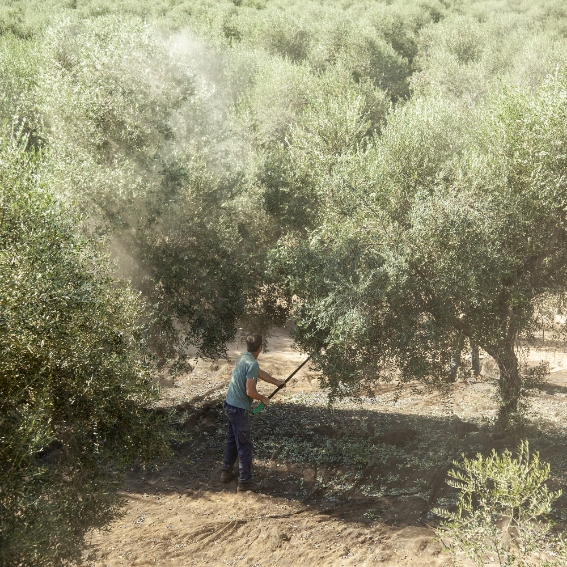
One of the most compelling aspects of olive oil sustainability begins with the tree itself. Olive trees are extraordinarily well-adapted to challenging environments. Their deep root systems allow them to thrive in rocky, arid soils where many other crops simply cannot survive. This natural resilience means they require significantly fewer inputs sucha as less water, fewer pesticides, and less intensive intervention, than the majority of commercially grown crops.
Traditional olive groves, many of which have been farmed using the same methods for centuries, work with the land rather than against it. Key environmental benefits include:
- Soil protection and erosion control: Olive roots anchor the soil in hilly and drought-prone landscapes, reducing erosion.
- Carbon sequestration: As perennial trees, olives absorb and store CO₂ in their trunks, root systems, and surrounding soil over decades, contributing meaningfully to carbon capture.
- Biodiversity support: Traditional olive groves often coexist with native herbs, wildflowers, insects, and small animals, creating rich, layered ecosystems rather than monoculture wastelands.
Sustainable Farming Practices in Olive Oil Production
Olive oil sustainability doesn’t stop at the tree. It extends across the entire production process. Conscientious producers around the world are adopting practices that reduce environmental impact at every stage:
- Drip irrigation systems that dramatically cut water usage compared to flood irrigation
- Natural ground cover between rows to retain soil moisture, improve biodiversity, and reduce erosion
- Solar-powered mills and energy-efficient pressing technology that lower the carbon footprint of production
Waste minimisation is another area where the olive industry is making genuine strides. Olive oil production generates byproducts: primarily olive pomace (the solid residue after pressing) and mill wastewater. Today, innovative producers are converting these into renewable energy, organic fertiliser, animal feed, and ingredients for natural cosmetics. Few crops can match the humble olive tree for whole-of-plant efficiency.
Olive Oil as a Sustainable Alternative to Animal Products
For Australians who are reducing their reliance on animal products olive oil is one of the most practical and flavourful swaps available. As a direct substitute for butter, it performs beautifully across a wide range of applications: sautéing, roasting, salad dressings, marinades, and even baking.
Olive oil requires no animal products in its production and generates a far lower carbon footprint than dairy butter. It also brings its own flavour complexity to the table from the grassy, peppery notes of a robust extra virgin to the neutral richness of a lighter variety.
For vegans and environmentally conscious home cooks, it’s an essential pantry item that doesn’t ask you to compromise on taste.
Swapping Butter for Olive Oil in the Kitchen
From Anzac biscuits to lamingtons to a good carrot cake, butter is a cornerstone of Australian baking. The good news is that olive oil substitutes seamlessly in most recipes, often improving the texture and adding a subtle depth of flavour. As a general rule, replace one tablespoon of butter with three-quarters of a tablespoon of olive oil.
Extra virgin olive oil is hard to beat for every day cooking, roasting, pan frying, or drizzling. In baking, a mild or light olive oil works best where you want the other flavours to shine, while a quality extra virgin adds a distinctive fruitiness to cakes, breads, and even sweet slices.
Choosing Sustainable Olive Oil
Not all olive oil is produced equally, so it pays to be a discerning shopper. Look for things such as the harvest date and best-before. A harvest date on the label signals a producer who’s proud of their product’s freshness and quality. Choose an olive oil that is packaged in a dark glass or tin packaging. Why? These protect the oil from light degradation and are more recyclable than plastic alternatives.
Discover more about the sustianbility practices of our parent company Acesur.
Toward a Greener Future
Every purchase we make is a vote for the kind of food system we want to support. Olive oil sustainability, with its low-impact farming, the natural resilience of the olive tree, and innovative production practices makes it a wise choice!